
For many commercial sites, the entrance gate or barrier is critical infrastructure. It controls vehicles, protects people and assets, and often sits at the only practical way in and out. When it fails, the impact isn’t just inconvenience – it can mean lost trading time, traffic issues, and increased security risk. As we head towards busier, lighter months, now is a good time for facilities managers and business owners to take a fresh look at their existing automatic gates and barriers and ask a simple question: are they ready for spring?
Whether it’s a sliding gate on an industrial estate, a pair of swinging gates at a depot, or a rising arm barrier on a car park, the system has to do three things well:
If any of those areas are weak, the risk of an incident – or simply repeated disruption – increases.
A quick walk around many sites reveals familiar problems:
These issues tend to get worse as sites get busier in spring and summer, when delivery volumes rise, visitor traffic increases and people are more likely to be distracted.
A structured review doesn’t need to be complicated. We recommend looking at four key areas:
Older commercial gates and barriers can often be improved significantly with modern control and safety equipment, without replacing the entire structure. Upgrades worth considering include:
✔️New control panels with improved safety logic and fault reporting.
✔️Additional safety edges, photocells or light curtains.
✔️Updated access control (for example, remote management or ANPR for car parks).
✔️Improved signage and layout changes to separate pedestrians and vehicles more clearly
In some cases, especially where equipment is very old or was retrofitted without a full safety review, replacement may be the most sensible route to improve reliability and reduce risk.
For commercial and industrial sites, one of the most effective steps is moving from reactive fixes to planned maintenance. A regular service and inspection schedule allows:
✔️Early identification of wear and developing faults.
✔️Verification that safety measures still operate correctly.
✔️Documentation that the system is being managed responsibly.
It also helps spread costs more predictably rather than dealing with unexpected failures at the worst possible moment.
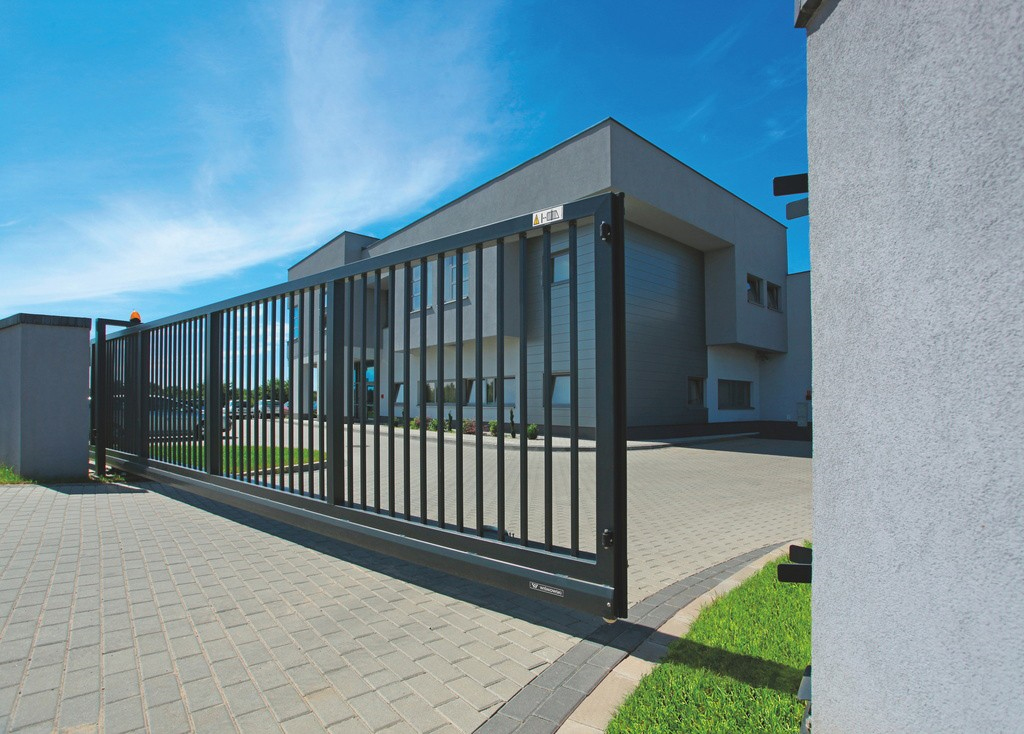
If you’re responsible for a commercial entrance gate or barrier and you’re not sure when it was last properly checked, now is an ideal time to plan a review. Call us on 01933 229123 or email enquiries@agdsystems.co.uk and we’ll arrange a visit and provide a clear report with recommendations.
