
Electric entrance gates for your home – Complete Buyer’s Guide
Everything you need to know before choosing automatic driveway gates for your property, from design and materials to safety, controls and long‑term reliability.
Well specified electric driveway gates add security, privacy, convenience and kerb appeal to your home, as well as increased value if relevant, and quickly become part of your daily routine. Poorly chosen or badly installed systems can be unreliable in bad weather, hard to live with, and in the worst cases unsafe and need considerable work to upgrade and comply with legislation. This guide explains the key decisions so you can choose a system that looks right, works smoothly all year, and is properly supported over its lifetime.
A good electric gate system feels effortless: it opens and closes smoothly, safely, quietly and consistently, without you having to think about it. For many households, once gates are automated and normally closed, they effectively become the main entrance to the property, so they must work reliably on busy weekday mornings, in winter and when you have visitors or deliveries. Achieving that means treating the gates, posts, motors, controls and safety equipment as one complete entrance system, not just gates with a motor added.
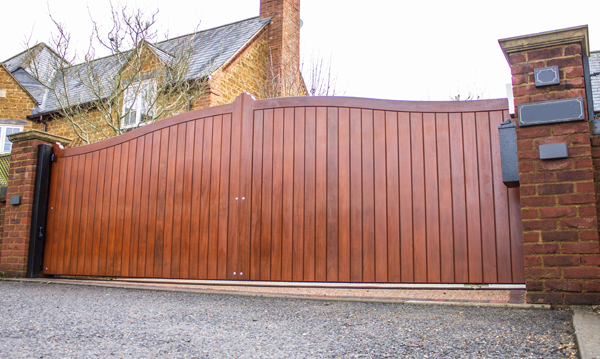
Before choosing a gate style, look carefully at the entrance and how it behaves through the year for you, other users and visitors. Is there any work required to maybe change the size of the driveway entrance, or level things out?
These points affect whether swing or sliding gates are suitable, what foundations are needed, how the system is safeguarded and which motors are appropriate. Two gates can look similar in photos, but need a very different specification once site conditions are taken into account.
Choosing between swing and sliding gates is one of the most important early decisions.
Bi-folding gates are also becoming more popular and achievable in terms of costs and mechanics. These are great where surrounding space is very limited in all directions.
Swing driveway gates
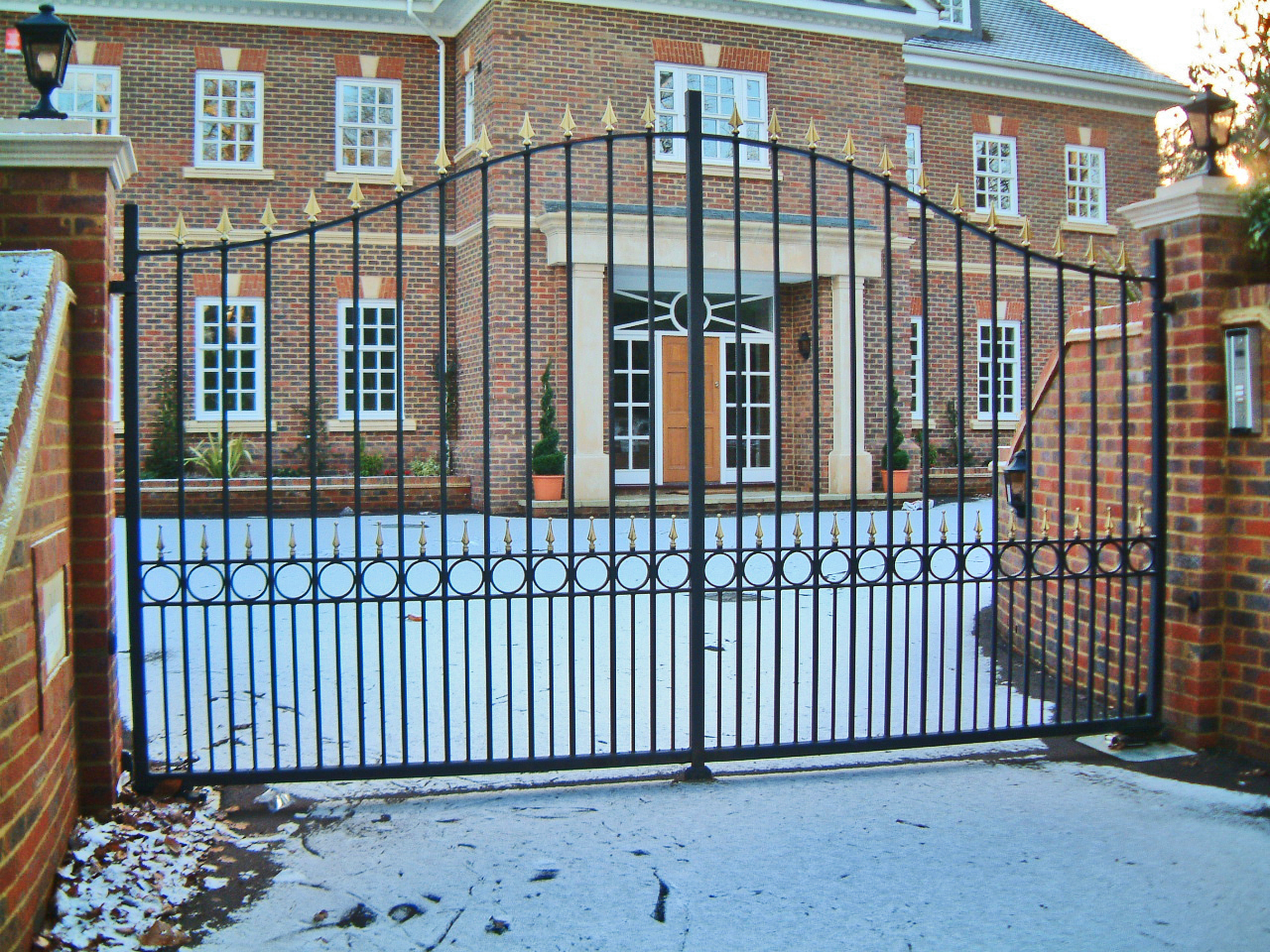
Swing gates open like a door, usually between posts or brick/stone pillars. They often suit traditional properties and work well on reasonably level driveways with enough clear space for the leaves to open safely. On exposed or windy sites, solid swing gates can act like a sail and place significant extra strain on hinges, posts and motors, so design and specification are critical. Swing gates probably offer you the most versatility on designs possible.
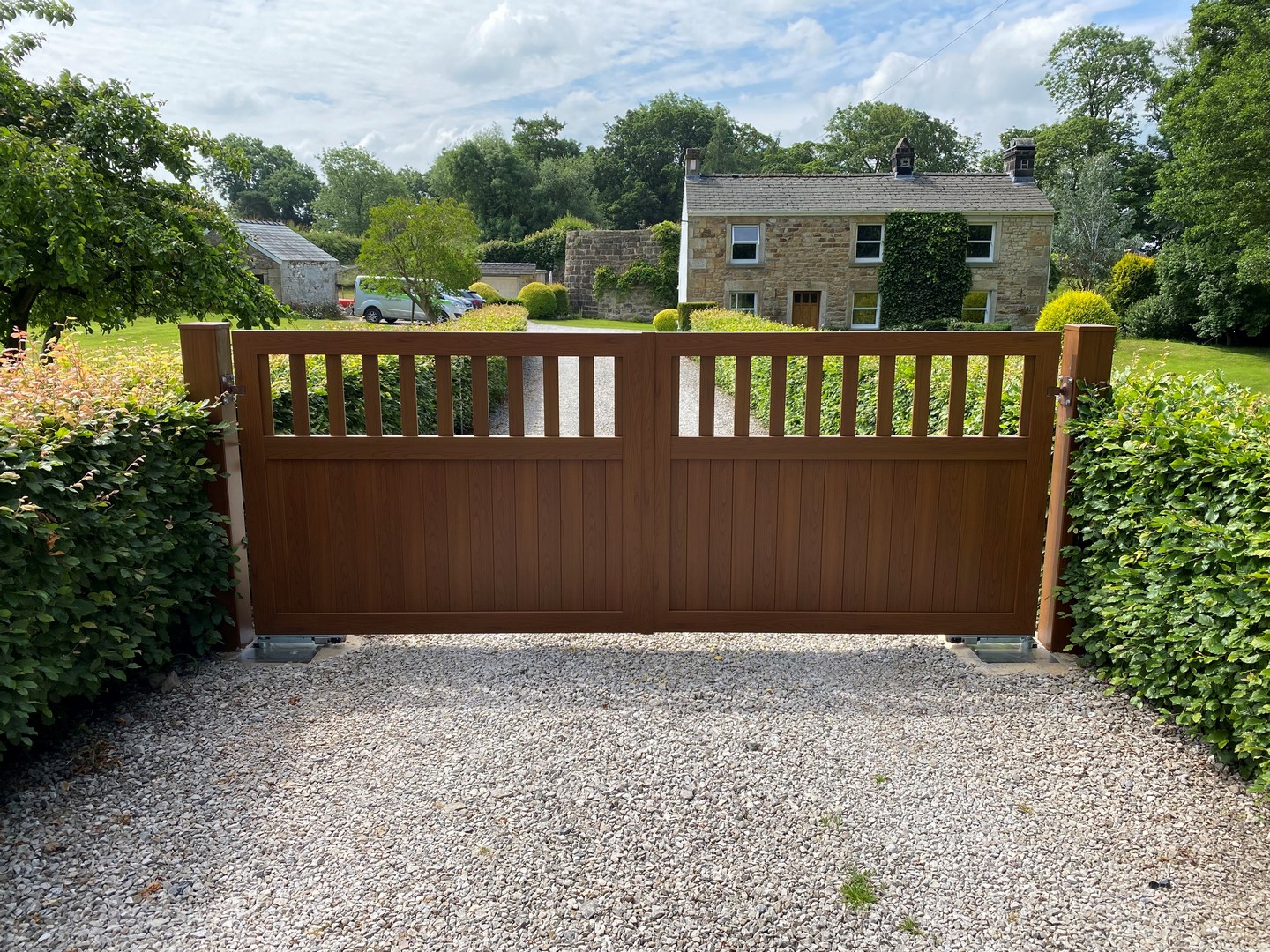
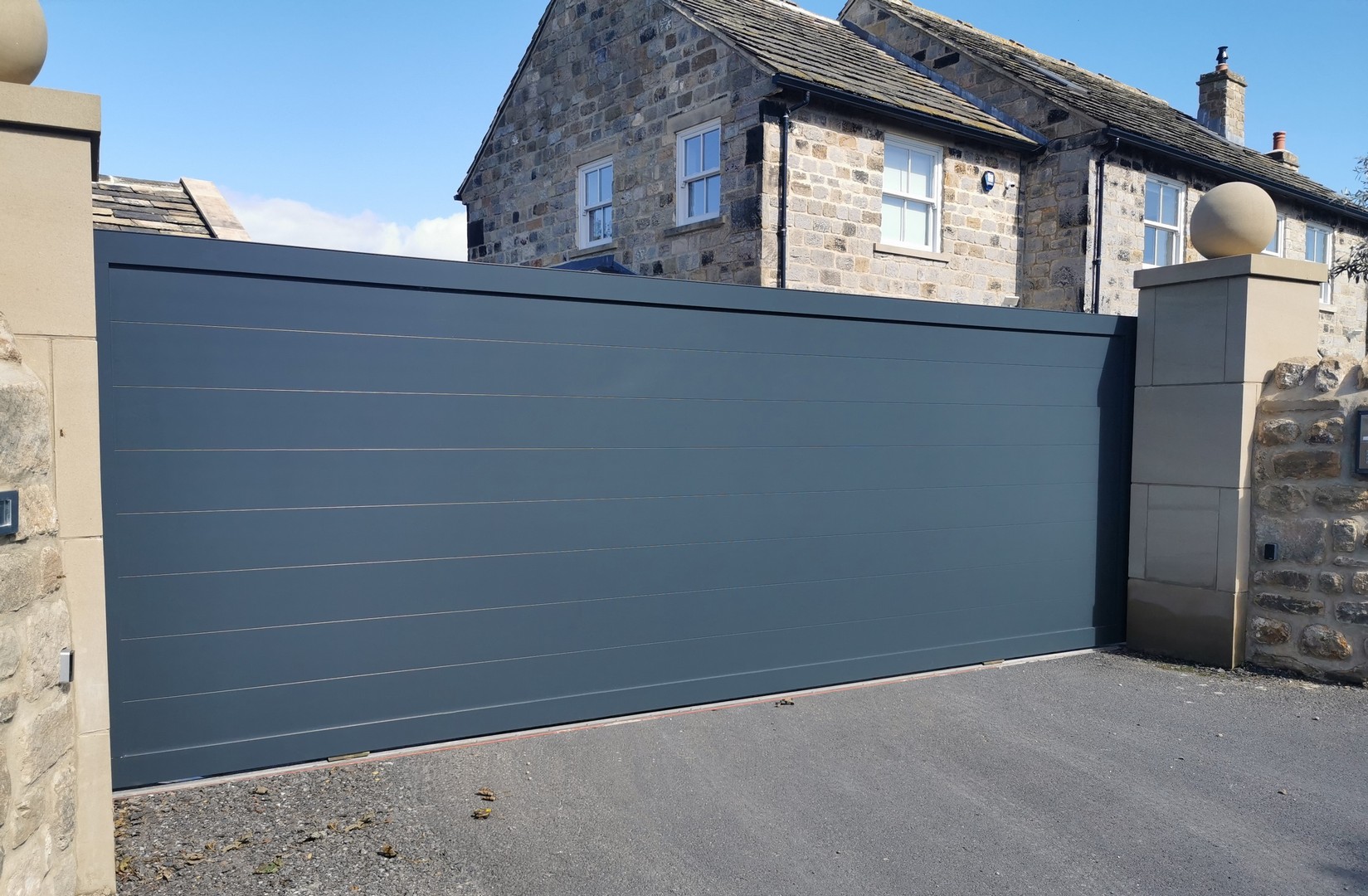
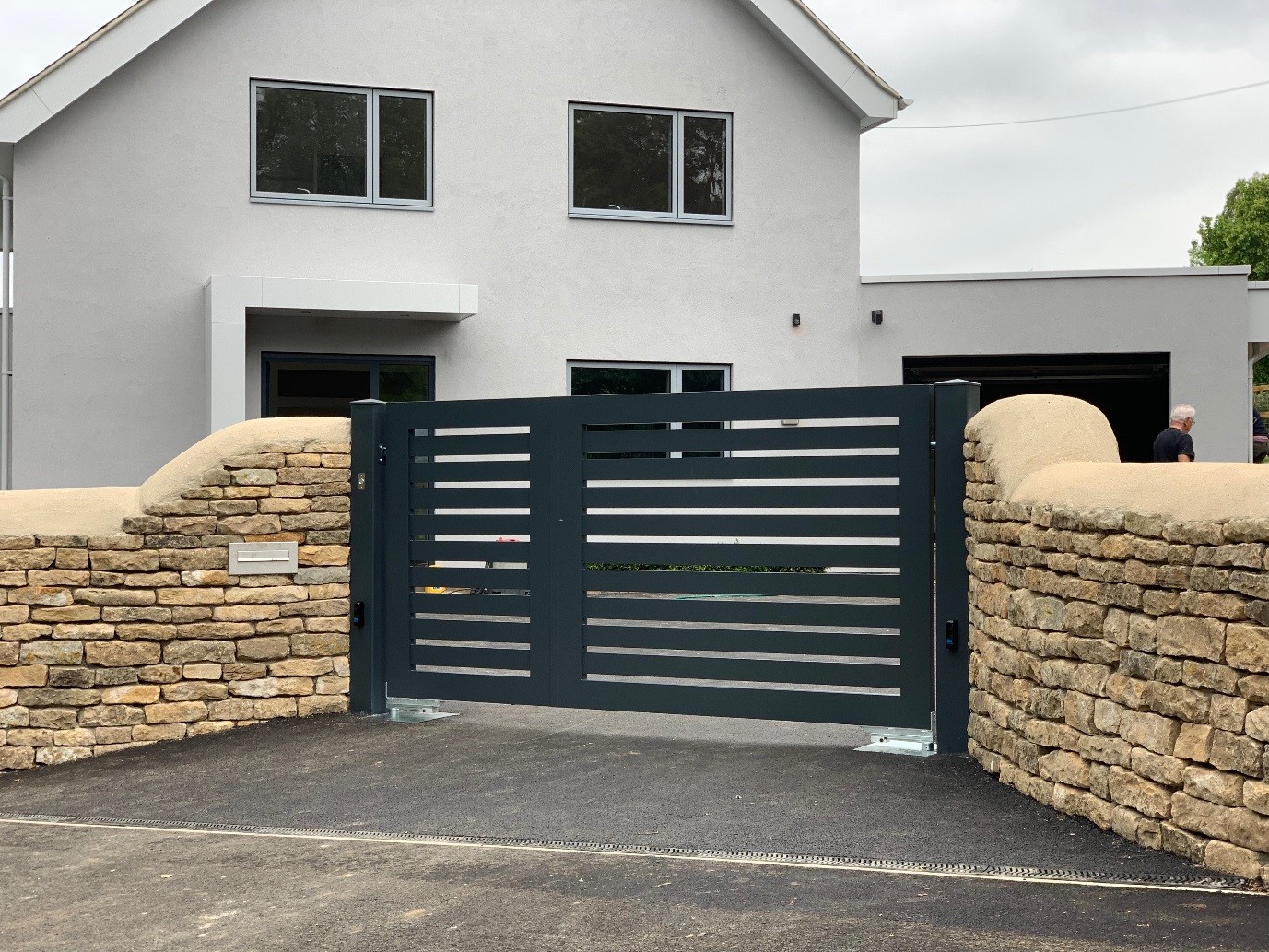
Sliding gates move sideways along a track or on a cantilever system behind posts or pillars. They are often the better choice for wider openings, sloping driveways or very windy locations, especially with more open designs that let air through. Sliding gates need clear run‑back space to one side and correctly engineered groundworks so they remain stable and run smoothly over time. They are also popular with less maintenance generally required and usually only the one motor drive unit to maintain.
See our sliding driveway gates
Most homeowners want a balance of privacy, security and appearance, but design also has a direct practical impact.
Solid gates create higher wind loading and need stronger structures and correctly specified motors, particularly on swing gates. In very windy or open positions, an open or semi open design, or a solid design as a sliding gate, can greatly improve reliability and reduce strain on the system.
Gate size and construction affect weight, wind loading, hinge strain and motor selection. Large electric entrance gates cannot be built like oversized garden gates: they need a properly engineered frame, bracing suited to the width, and hinge and post arrangements that can cope with powered operation day after day.
High quality entrance gates are designed with automation in mind, often with reinforced zones or chassis sections for fixing operators, locks and safety edges. When these areas are not strengthened, gates can flex, twist, drop and move out of alignment, leading to unreliable operation and premature wear.
Check out the proposed gate parameters with our gate experts. A proposed gate design and material at say 5m wide, what is the maximum size that gate can be manufactured to?
The support posts obviously are another key area for proper integrity and design to ensure the support of the proposed gate. The installation and connection to the ground is a key factor.
Learn more about our gate construction and engineering
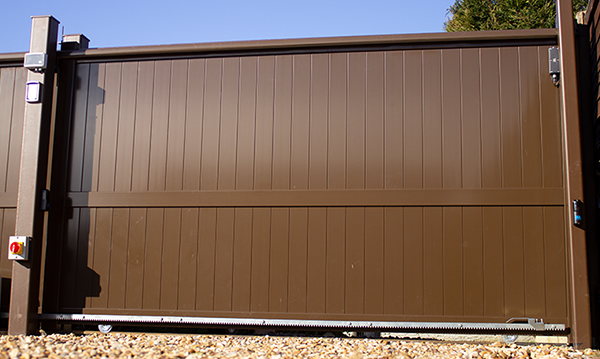
The material you choose affects appearance, longevity, maintenance and how the gate behaves under automation.
Timber entrance gates
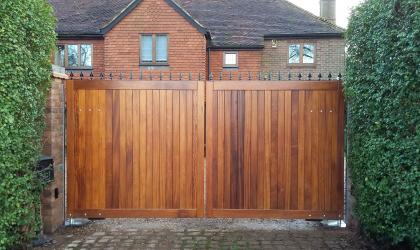
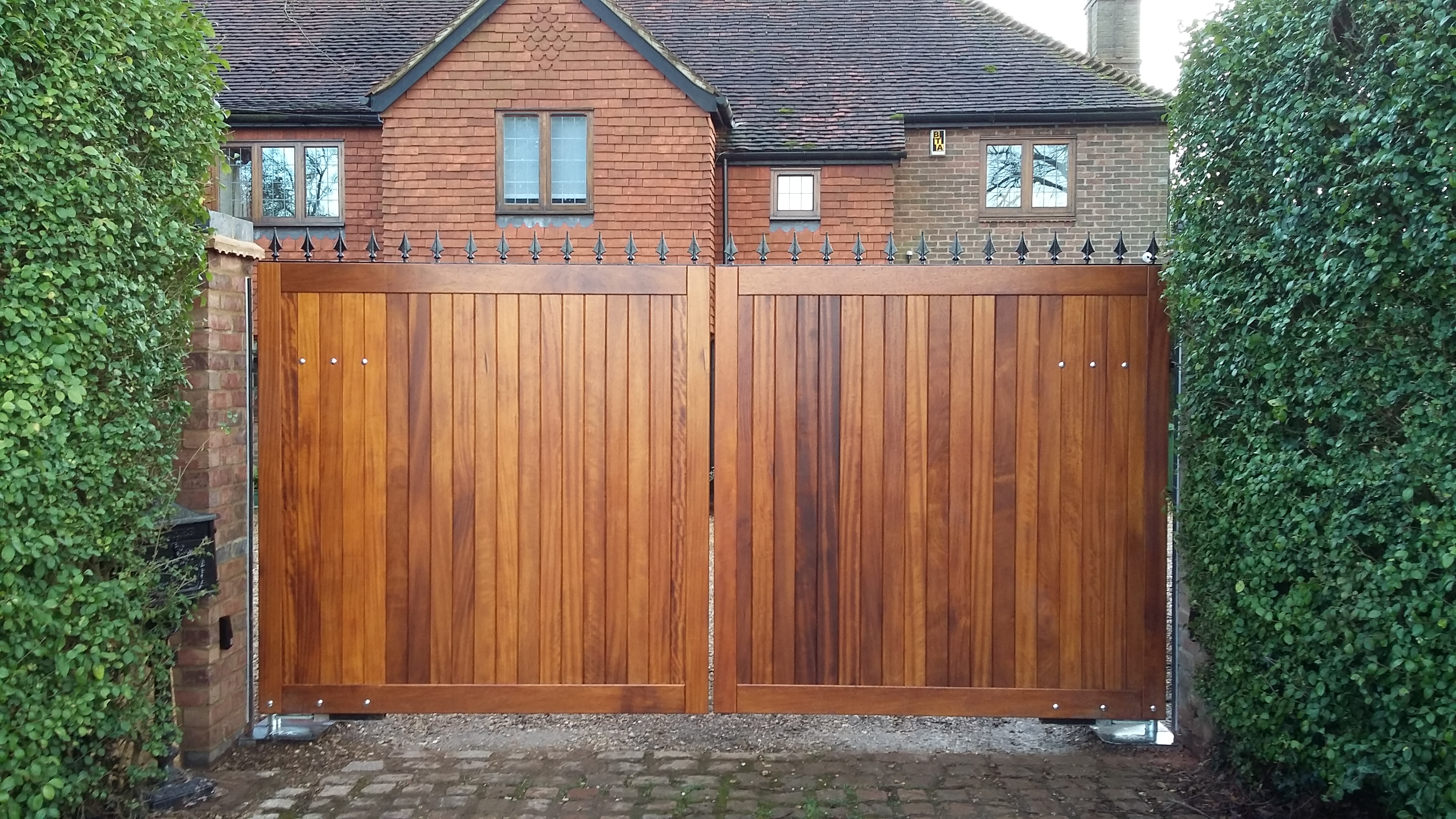
Well designed timber gates, using the correct species and properly seasoned timber, can look superb and perform for so many years if finished and maintained correctly. Cheaper, lightweight or poorly seasoned timber can twist, crack and warp, especially on larger gates under the strain of automation and exposure to the weather.Check carefully the specifications of any timber gate and see previous examples of similar gates and timber species used. Some timber species can probably outlast all other materials with examples of Iroko timber gates still in place after 30 plus years quite common and still looking just as good as new.
View our timber driveway gates
Steel entrance gates
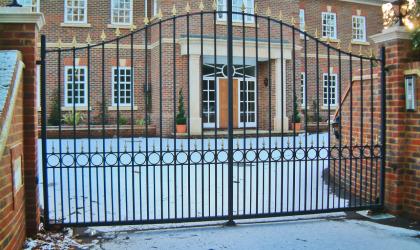
Steel has been a traditional choice for many entrance gates and is ideal for open bar and decorative designs. The quality of the steel sections, welding, galvanising and paint finish makes a big difference to how long the gates last and how well they resist corrosion.Solid or hollow bar builds affect the overall integrity and the size of the sections used along with welding techniques and finishing affect the longevity.
Aluminium entrance gates
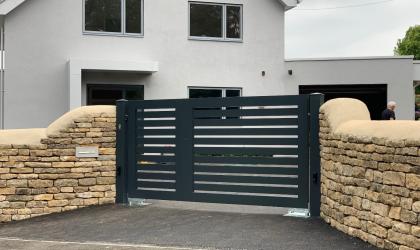
Modern aluminium gates can offer the look of timber or steel with lower weight and very good durability. However, as with other materials, there is a big difference between low cost lightweight gates and fully engineered, properly pre treated systems designed for automation and UK weather conditions.
Check the exact details for any warranties with aluminium gates as high quality models can have very good guaranteed lifespans.
View our aluminium driveway gates
In some cases, a steel chassis with timber cladding provides the strength and stability of steel with the visual warmth of timber, particularly on larger gates.
The electric drive system (or operator) needs to be matched to the gate size, weight, duty cycle, hinge geometry, exposure to wind and the available installation space. A motor that is marginal or under specified may work at first but will struggle as the system beds in and faces daily use and seasonal conditions, particularly wind.
Electromechanical vs hydraulic operators
The best choice depends on your specific project; what matters is that the drive system is correctly specified for the gate and environment rather than chosen purely on an attractive headline price or “maximum gate size” claim.
Integrated and discreet automation options
Many modern systems allow the automation equipment to be more discreet or integrated into the supporting structure, improving protection from the weather and giving a cleaner, more premium appearance. Any hidden or integrated solution still needs safe access for servicing and must be properly matched to the gate design.
More about our gate automation systems

Access control is about who needs to get through the gates, how often, and from where.
Common options include:
The best solution is usually a combination of controls tailored to your household, rather than a single device. Rising very fast in popularity are smart facial recognition video entrance systems, providing total control for you and your gates from anywhere in the world. The facial recognition is incredibly accurate and the whole system makes control and accountability effortlessly for who comes in or near your gates all the time.
See our gate access control and intercom options
Powered driveway gates are classed as machines and must be designed, installed and maintained so they are safe to use. Safety is not one component; it is the result of correct design, layout, safeguarding devices, force settings and ongoing checks. IT IS NOT OPTIONAL as some people might lead you to believe when cutting corners on costs and quoting for you.
A safe system typically includes:
If children, pets or pedestrians can access the gate area, the safety strategy becomes even more important, and a site‑specific risk assessment is essential.
Read more about electric gate safety and compliance
Step 10 – Why a complete installation matters (and kit comparisons mislead)
A reliable electric gate system is rarely a simple “box of parts” project. A complete professional installation will normally include:
Online kits can appear cheaper, but they often ignore site conditions such as wind, ground movement, drainage and real safety requirements, leading to systems that are unreliable or unsafe and ultimately more expensive to correct. So many people buying electric gate equipment online to save money end up having to call in a gate expert and spend far more in sorting out the incorrectly specified equipment and overall system in order to work properly and also be safe and compliant with UK law.
Find out what’s included in our installation service
Step 11 – Keeping your gates reliable with servicing
Even the best systems need periodic inspection and servicing to stay safe and reliable. Routine maintenance helps keep the gates aligned, checks that safety devices are working correctly, and identifies small issues before they become major problems, especially after harsh weather.
Making the right choice for your property
A successful electric entrance gate system is built on a few fundamentals:
Starting with a professional site survey and a clear specification gives you gates that look right, work properly and remain reliable for years.
Ready to talk about your entrance gates?
AGD Systems designs, supplies and installs electric entrance gates for homes across the UK, providing complete systems from initial advice and survey through to installation and ongoing servicing. We can help you choose the right gate design, materials, automation and controls for your property and lifestyle.
Arrange a free consultation and quotation
Frequently asked questions
Can I automate my existing gates?
In some cases yes, depending on the gates’ condition, construction, size and suitability for automation; we can assess this and advise whether upgrading or replacing makes more sense.
How long does installation take?
Most domestic installations take between 2 and 5 days, depending on groundworks, posts or steelwork needed and the access control equipment being fitted.
What happens if there is a power cut?
All our systems include manual release arrangements so the gates can be operated by hand in the event of a power failure.
Do I need planning permission?
Typical domestic installations do not require planning permission, but there can be restrictions in conservation areas, on listed buildings or where gate height and position change significantly, so it is always worth checking locally.
What warranties do you provide?
We offer comprehensive warranties on the gates, automation equipment and our installation workmanship, and can also provide ongoing servicing packages.
